


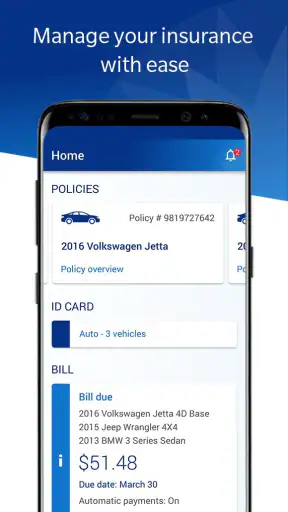
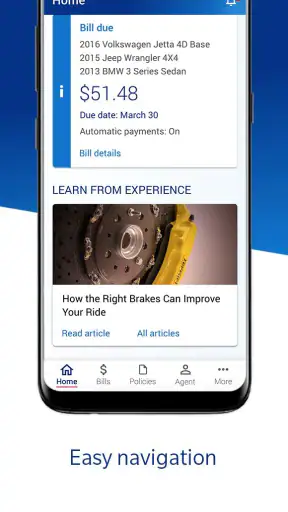
Managing insurance from a phone sounds useful until you actually need to find an ID card, make a payment, or start a claim while you are busy and stressed. Farmers Insurance Inc. is built for those moments. It is a free finance app from Farmers Group Inc that brings several policy-related tasks into one mobile place instead of making you rely on paper documents, a browser, or a phone call every time.
I found its appeal fairly straightforward: this is not an app you open for entertainment or daily budgeting. It is a practical companion for people who already use Farmers Insurance and want quicker access to their insurance account. The most valuable parts are the ones that remove small delays—checking an insurance card before a trip, handling a payment from home, requesting a quote, or reporting a claim when an incident has just happened.
What Farmers Insurance Inc. actually does on a phone
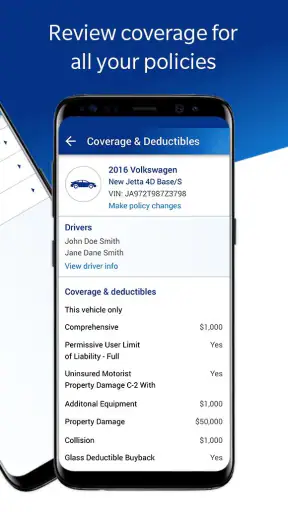
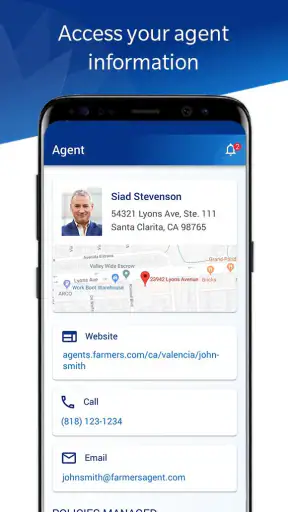
The app covers several common insurance tasks. You can make payments, access digital ID cards, report a claim, and request a quote. That combination makes it more useful than an app that only displays policy information, although the experience still depends on whether Farmers is the insurer you want to manage.
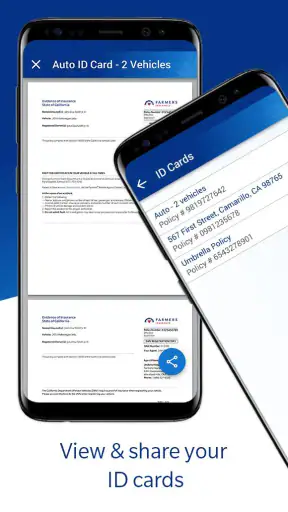
In my experience, the digital ID card is the feature with the clearest everyday value. Insurance documents are easy to misplace, leave in another vehicle, or forget when changing phones. Having the card available in the app can make a routine traffic stop, vehicle rental process, or post-accident exchange less dependent on finding a physical document. I would still keep a backup way to access important information, but the phone-based card is a sensible convenience.
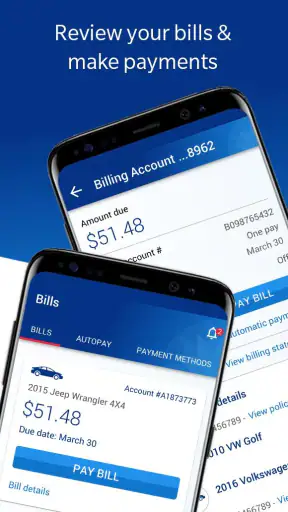
Payments are another reason to install it. Rather than searching through old emails or opening a desktop browser, a policyholder can use the app as a direct starting point for the payment task. That does not magically make insurance cheaper, but it can make staying current less cumbersome. For someone who prefers handling bills from a phone, this is more natural than a paper-first routine.
The claims function matters most when something has gone wrong. Reporting an accident or another covered event is rarely a calm experience, so having a dedicated path can be preferable to searching for the correct number or navigating a general website. I see the app as a first step in that process, not a replacement for careful documentation, safe behavior at the scene, or communication with a claims representative when the situation is complicated.
Free access changes the value calculation
There is no purchase price for the app. That makes the decision simple for existing Farmers customers: trying it does not require paying for another digital service. The meaningful cost is your time, attention, and the effort of setting it up, rather than an upfront app charge.
That distinction is important. Free access does not mean the insurance itself is free, and the app is not a way to avoid premiums, deductibles, or other policy costs. Its value comes from making an existing relationship with Farmers easier to manage. I would judge it as a convenience tool attached to an insurance policy, not as an independent financial product.
For people comparing insurers, the app should not be the main reason to choose coverage. A smooth mobile experience is helpful, but it should come after examining whether the policy fits your needs, budget, vehicle, home, or other insured property. The app can improve the service experience, yet it cannot compensate for coverage that is unsuitable.
Where the app saves real effort
The strongest value appears in short, specific workflows. Imagine leaving for a weekend trip and realizing at a fuel stop that you want to check your vehicle insurance card. A mobile ID card is more convenient than returning home for a folder. Or imagine receiving a reminder about a payment while away from your computer. Opening the app and going directly to the payment area is less disruptive than reconstructing your account details from memory.
A claim scenario shows a different kind of usefulness. After making sure everyone is safe, you may need to begin reporting what happened. The app gives you a recognizable place to start. That can reduce the uncertainty of deciding which Farmers contact route is appropriate. I would use it to initiate the report and organize the next steps, while keeping notes, photographs, and any relevant information available separately.
The quote option also gives the app value beyond existing policy management. Someone considering Farmers can begin exploring coverage from the same mobile environment used by customers. Still, a quote is only a starting point. I would compare the details carefully rather than treating a quick quote as proof that one insurer offers the best overall deal.
One practical tip is to install and sign in before an emergency, not during one. The worst time to discover that you need account access is immediately after an accident or while standing somewhere with poor connectivity. I would also open the ID-card area in advance and make sure I understand where the claims and payment actions are located. That small preparation can matter more than any visual polish.
What the ratings suggest—and what they do not
The app holds a 4.7 average from around eleven thousand ratings, with roughly 4.9 thousand written reviews. It has also passed one million installs, so this is not an obscure experiment with a tiny audience. Those figures indicate broad adoption and generally positive user reaction.
At the same time, a high average should not be read as a guarantee that every account or claim will feel effortless. Insurance apps are tied to real policies, account status, and situations that vary widely. A person who only needs an ID card may have a much easier experience than someone trying to resolve a complicated claim. I treat the rating as a useful signal of overall satisfaction, not a promise about a particular case.
Tradeoffs I noticed during normal use
The biggest limitation is also the app’s defining feature: it is most useful if you are a Farmers customer or are actively considering Farmers. If your policies are with several other companies, this will not become a universal insurance wallet. You may still need separate apps for other vehicles, properties, or types of coverage.
That fragmentation can be frustrating. A household might have one car insured through Farmers and another policy elsewhere. In that situation, Farmers Insurance Inc. can handle its own portion well, but it will not remove the need to maintain multiple accounts. A general password manager, secure document storage method, or each insurer’s official app may remain necessary.
The app also should not be confused with a full financial-planning tool. It belongs in the insurance-management part of the finance category, not alongside banking, investing, credit monitoring, or expense tracking apps. If your goal is to see household spending in one dashboard, this is the wrong type of product. Its narrow focus is a strength for policy tasks and a weakness for broader money management.
Claims deserve realistic expectations. Starting a claim digitally is convenient, but it does not make the underlying event simple. You may still need to provide information, answer questions, review communications, or wait for the process to move forward. I would not choose the app because I expect every claim decision to happen instantly. I would choose it because it offers a direct place to begin.
There is also a difference between convenience and complete preparedness. A digital card is useful, but I would not rely on a single phone screen as my only record. Phones lose battery, screens break, and access problems can happen at inconvenient times. Keeping essential policy details available through a sensible backup is a small tradeoff for greater peace of mind.
Compatibility and setup considerations
The current version is 26.08, and the app supports devices running at least version 8.1 of its mobile operating system. That gives it a broad compatibility range for many older devices, although anyone using an especially old phone should still check the operating system before planning around it.
Since the app handles insurance information, I would set it up on a device protected with a screen lock and avoid treating it like a casual shopping app. I would also verify that the account details and policy information shown after signing in are correct. That is not a criticism unique to this app; it is simply good practice whenever a mobile tool gives access to financial or insurance records.
My setup advice is to complete the basic work when you have time. Sign in, locate the payment section, open the ID-card area, and identify the claims route. If you are requesting a quote, have the relevant information nearby so you are not forced to pause halfway through the process. The app is more valuable when it is already familiar before you need it.
Who will get the most value from it?
Existing Farmers policyholders are the clearest audience. If you regularly need mobile access to insurance cards, prefer digital payments, or want a convenient way to start a claim, the app earns its place on your phone. It is particularly practical for people who travel, manage several household responsibilities, or dislike keeping paper documents organized.
It can also help less technical family members who find insurance websites confusing, provided they are comfortable using a phone. A focused app with recognizable actions may be easier than navigating a large website. I would still encourage families to agree on who is responsible for account access and where backup information is kept, especially when several people share a vehicle or policy.
People considering Farmers may also find the quote feature useful as an initial step. However, I would compare coverage details and total policy value separately. The app is a convenient doorway into the company’s services, not an impartial comparison marketplace.
Who should choose something else?
I would skip it if you do not have a Farmers policy and have no intention of requesting a quote. In that case, the app’s main functions are unlikely to justify the extra installation. A different insurer’s app will be more relevant to your actual documents and payments.
I would also look elsewhere if your main need is general personal finance management. Banking apps, budgeting tools, and investment platforms are designed for those jobs. Farmers Insurance Inc. is more focused, and expecting it to provide a complete view of your finances would lead to disappointment.
People who rarely use smartphones may prefer a browser, paper records, or direct assistance if those methods feel more dependable. The app is valuable because it shortens digital tasks; it is not automatically better for someone who finds mobile account management stressful. Convenience only counts when the chosen method is comfortable enough to use correctly.
My final recommendation
Farmers Insurance Inc. delivers solid practical value without an app purchase price. Its best features are not flashy: a readily available insurance ID card, a direct way to handle payments, a claims starting point, and access to a quote. Those functions address real moments when searching for information or the right contact can be annoying.
My recommendation is positive for current Farmers customers, especially if you want to manage routine policy tasks from a phone. Install it before you need it, learn the location of the essential actions, and keep a backup for important documents. That preparation turns the app from something you merely have into something genuinely useful.
I would be more cautious for everyone else. The app cannot replace comparing insurance coverage, and it does not serve as a general finance dashboard. If Farmers is not part of your insurance plans, another provider’s app—or a broader financial tool—will probably offer better value. For the intended audience, though, the free access and focused workflows make Farmers Insurance Inc. a sensible companion rather than an unnecessary extra.
It is also worth remembering that the app is rated for Everyone, which makes its intended audience broad, while the developer, Farmers Group Inc, has kept the product centered on ordinary policy tasks rather than turning it into an overloaded financial hub. That restraint works in its favor. I would not call it indispensable, but for a Farmers customer who wants insurance information and actions close at hand, mobile insurance management is handled in a useful, approachable way.


